Why UX is so good with platform thinking

Intro to digital platforms
No matter what city you may have woken up in today, some of the companies that have their own platform have influenced you in some way. Whether you have been checking for notifications on Facebook, searching for a vehicle through Uber, booking accommodations via Airbnb ... In each of these cases, you have reached for your smartphone and used one of the applications of the world's largest companies which have a platform-based business model.
What has brought these world-renowned businesses to their present-day status is neither invested capital, nor machines they own, nor the employees they manage, but the community they gather on their digital platform. What led them to do so was “platform thinking”.
You may be wondering why "platform thinking" has become such a valuable asset for modern businesses. Well, let's start from the beginning.
---
What are digital platforms
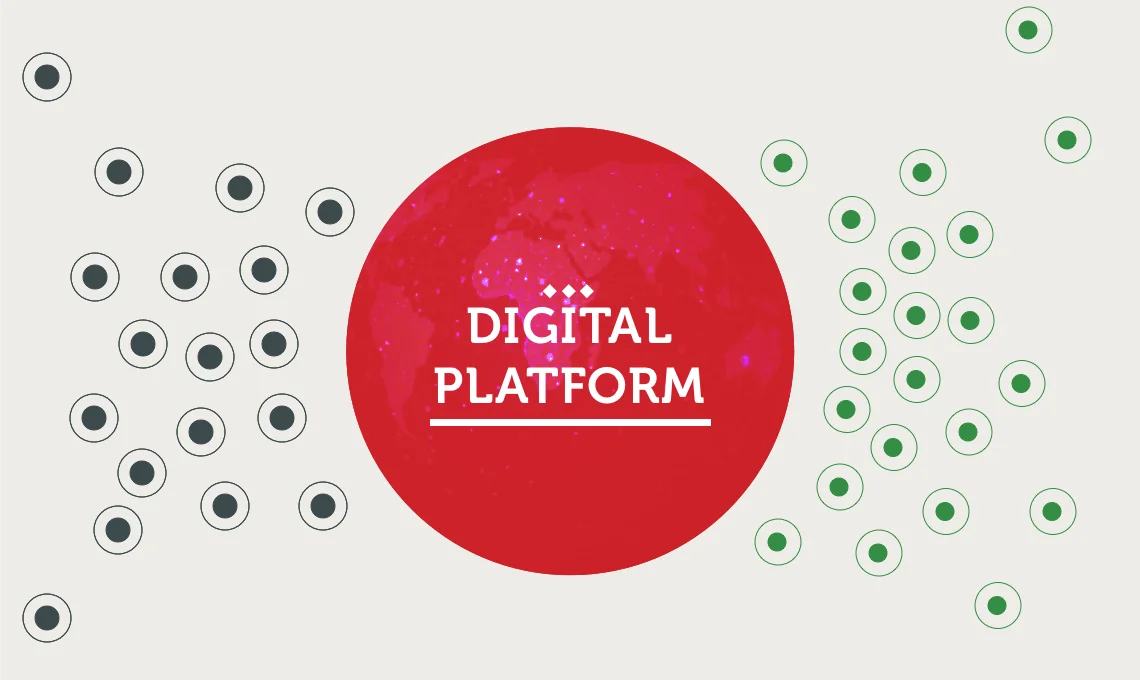
We have already established that you are certainly a user of some of the digital platforms or that you have at least heard of Airbnb, Amazon, Booking.com, Spotify, Shopify, Facebook, Uber... These world-famous names are actually digital platforms that are interconnected between two different groups - one, usually suppliers, sellers or service providers, and the other consumers or buyers.
They can have different business models and interact with end-users in different ways. Accordingly, each platform has created different rules for optimizing these interactions.
Why are platforms and 'platform thinking' one of the key resources for modern business
People have been exchanging goods and services since ancient times, which is what they do today through the Internet, with one additional component - simple payment. This phenomenon is known as the Sharing economy technology.
Such a business model has given rise to interesting phenomena in modern business so, for example, Alibaba, one of the largest retailers, does not have its own stock or goods and never has to do inventory. Uber, as the largest taxi company in the world, does not have its own vehicles. Airbnb, as the largest accommodation provider in the world, does not own real estate. Facebook, as the most famous social network, does not create its current content, others do. It has succeeded in developing a network of its users, who publish content, and those who pay for their marketing campaigns.
If you may think that platforms are limited to specific age groups, this is not true. Disneyland’s primary users are kids, but their entertainment is actually paid for by their parents.
How platform thinking has transformed the community, businesses and the working mode
Platform Thinking in business
This platform business model is best reflected in the work of companies like Amazon, AirBnB, Facebook. They have moved from a linear business model (in which they produce something) to a facilitator. This has led to an increase in its assets and hyper scaling.
Platform Thinking working mode
Some also call it Social Collaboration, that is, via internal portals employees share best practices with other employees (methods, tricks, insights) from projects, tasks, and daily routines. Other employees can learn from this and use the acquired knowledge to improve their own work. In addition, the company profits because such tools are important aspects for retaining knowledge within a company, even when the employees themselves leave the company.
Platform Thinking in the community
Is best explained through the term Platform Cooperativism. It's not just about making money, it's about sharing. The platform does not have one owner, it is owned by interest groups (manufacturers, consumers, partners). All platform members have the right to vote and decide - not just "use" or "participate." This is nothing new, which is why Platform Coops uses digital technology such as apps, websites, blockchain, their number increasing by the day. A good example of this is eBay and Fairmondo.uk.
Why you want to use some apps and others you do not
The answer lies in a user experience design, especially with elements of personalisation.
User Experience Design (UX Design) is in the spotlight right now, but what does it really mean and how can your product benefit? User experience is how a person feels when interacting with a system and UX design tries to fulfil the user’s needs. It requires thinking through different roles (for example AirBnB homeowners and people who want to rent an apartment) and aims to provide positive experiences that keep a user loyal to the product or brand.
The important thing to know here is, that the experience exists already for the user, but the job of UX designer is to look at the behaviours, the patterns and habits of people to make their experience better.
There are lots of factors involved with UX design, but the three most important ones are:
- usefulness
- usability
- desirability
If we nail all of those three things, then we have a great user experience. Depending on context there are also other important factors that should be satisfied, like security in FinTech industry, or fun in learning languages.
---
UX designer knows how to adapt existing functionality to different needs and ease of use of a platform, no matter how many features the subject platform may have. This is achieved through a holistic approach to creating a platform, and it consists of three levels: operational, tactical and strategic.
Accordingly, UX designer makes the process of designing your platform that is intuitive, easy and enjoyable to use, and solve the problem(s) they are designed to solve in the most user-friendly manner possible.
Questions about this article
What is platform thinking in digital product design?
Platform thinking considers the people, roles, and interactions connected by a product rather than treating it as a collection of screens. In the article's marketplace examples, one group supplies goods or services and another uses or buys them. The design needs to account for how those groups interact.
Why does a digital platform need UX design for different roles?
Different participants use the same platform to achieve different goals. A host offering accommodation and a guest booking it need different information and actions. UX design examines each role's needs and habits so the connected experience supports both sides rather than assuming one interface suits everyone.
How do usefulness, usability, and desirability differ?
Usefulness asks whether a product helps someone achieve a relevant goal. Usability asks whether they can understand and use it to complete that task. Desirability concerns whether they want to use it. The article identifies these as important UX factors while noting that context can add requirements such as security.
Can platform thinking apply to internal collaboration tools?
Yes. The article describes internal portals where employees share practices, insights, and lessons from their work. Other employees can use that shared knowledge, and the organization can retain it when people leave. In this setting, platform thinking connects contributors and people who need their knowledge.